
Cover Supervisor: The Job, The Pay and How to Get Into It
Guidance for teachers and support staff looking for work in the North West, and news from the Premier Education team.
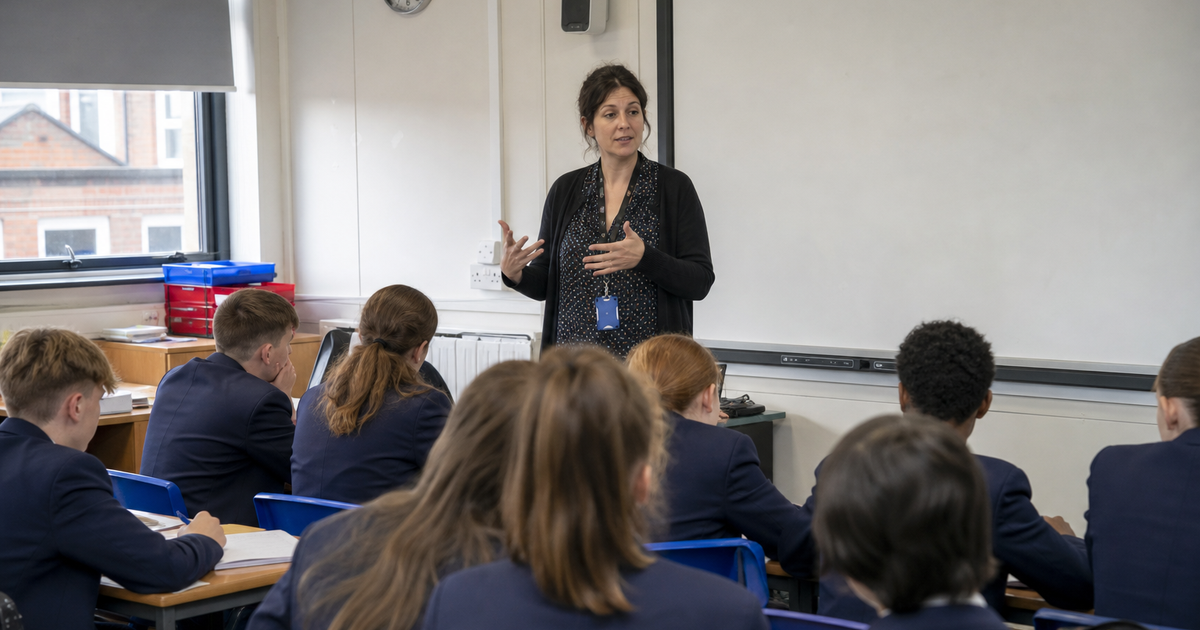
Cover supervisor is one of the least understood jobs in a school and one of the most useful routes into education work. People find it by accident, usually after doing teaching assistant work or after being asked to cover a class once and discovering they were fine.
This is what the job actually is.
What a cover supervisor does
A cover supervisor takes a class when the regular teacher is absent, for short periods rather than long term. The work is already set. Your job is to supervise the class while they do it, keep order, keep them on task, answer sensible questions and hand back a report on how it went.
You are not planning the lessons. You are delivering work that has already been planned for you. That distinction is the whole job and it is worth being clear about it, because schools that blur it are asking you to do a teacher's job on a cover supervisor's rate.
How it differs from the jobs either side of it
- Against a teaching assistant. A teaching assistant supports pupils while a teacher leads the room. A cover supervisor is the adult in charge of the room. More authority, more exposure, and you carry the behaviour of the whole class rather than a group.
- Against a supply teacher. A supply teacher is qualified and can plan and teach. A cover supervisor delivers work somebody else planned. You do not need qualified teacher status, and the rate reflects that.
Most cover supervisor work is secondary, because that is where short notice absence across a timetable is hardest to cover, though primaries use the role too.
What it pays
Cover supervisor pay varies by school, by whether you are employed directly or through an agency, and by whether the work is casual or a regular contract.
The things that move the number are the same as anywhere in school work: whether it is term time only, whether the figure quoted is a full time equivalent, how many hours you are actually timetabled for, and whether you are paid for the gaps in your day when there is nothing to cover. That last one matters more than people expect in a secondary school. Ask whether you are paid for the full day or only the periods you cover.
Ask for the daily rate in writing, and ask what it becomes if a short cover turns into a longer booking.
What you need
There is no required teaching qualification. Schools ask for an enhanced DBS check, GCSE level English and maths or equivalent in most cases, and evidence you can hold a room.
That last one is the real requirement. Schools ask for experience in a school, including time in a classroom, and for someone who can hold a room. Sports coaching, youth work, cadets, scouting, care work and the armed forces all produce people who walk into a room of thirty fourteen year olds and are not rattled, which is most of the job.
The hard part, honestly
The pupils know you are not their teacher. Some classes test that in the first two minutes, and a secondary class that has decided to see what it can get away with is a real thing to manage.
What works is arriving with the room already decided in your head. Be at the door before them. Know the school's behaviour system and use it early and calmly rather than late and loudly. Learn a few names in the first five minutes and use them. Do not negotiate about the work, because it was set by their teacher and it is not yours to change. Leave an accurate note afterwards, including the names, because a cover supervisor whose reports are trusted gets asked back.
The second hard part is that the day is unpredictable. You may cover science, then a language you do not speak, then a PE lesson that has moved indoors. That variety is why some people love it.
Where it leads
Plenty of people use cover supervision as the year that tells them whether they want to teach. It puts you in front of classes across a whole school, which is a better test than any open day. From there people go into teacher training, into higher level teaching assistant roles, into pastoral and behaviour work, or they stay because the flexibility suits their life.
Getting started
The usual route in is agency work, because it gives you several schools quickly rather than committing to one before you know whether the job suits you. We recruit cover supervisors across the North West and we brief people properly before a booking, including which classes are hard work, because sending somebody in unprepared helps nobody. Register your CV and tell your consultant what you have done with young people before, whatever it was.
Add a comment:
Looking for your next role?
Our consultants place teachers and support staff across the North West every day.